Usucha
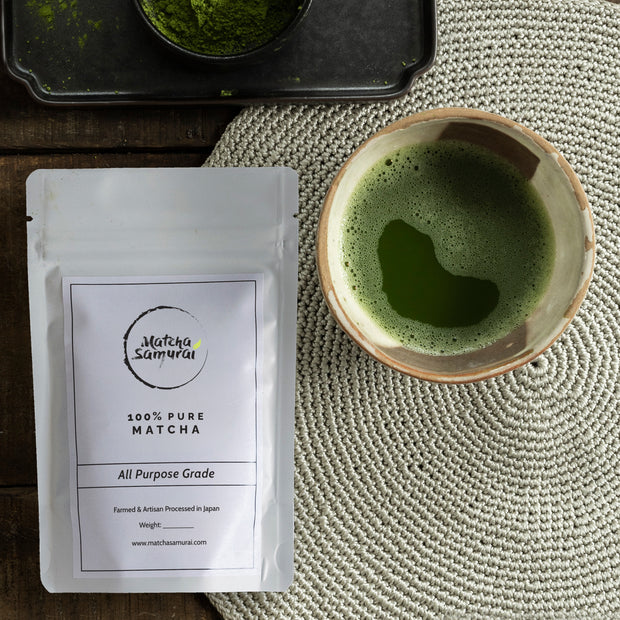
Usucha, or thin tea, is what most people picture when they think of a bowl of matcha. With a light layer of foam and a smooth, balanced flavour, it is the ideal style for beginners and can be prepared in just a few minutes.
 New Zealand

Your cart is empty
Start shoppingMaster the traditional way to prepare matcha.
There's an old rhythm to a good bowl of matcha, one that hasn't changed much since it arrived in Japan centuries ago. It's not complicated. It's just precise.
The difference between a clean, faintly sweet bowl and a bitter, chalky one comes down to a few simple things. Your water can't be too hot. Your bowl needs enough room for the whisk to move properly. And underneath it all, you need a quality matcha powder that stays true to tradition. Get those right, and you'll taste it straight away: smooth, a little sweet and wholly satisfying.
There's no single way to make matcha. Same powder, three different methods, and really it comes down to how much water you use. Sift, add water, whisk. That part never changes.
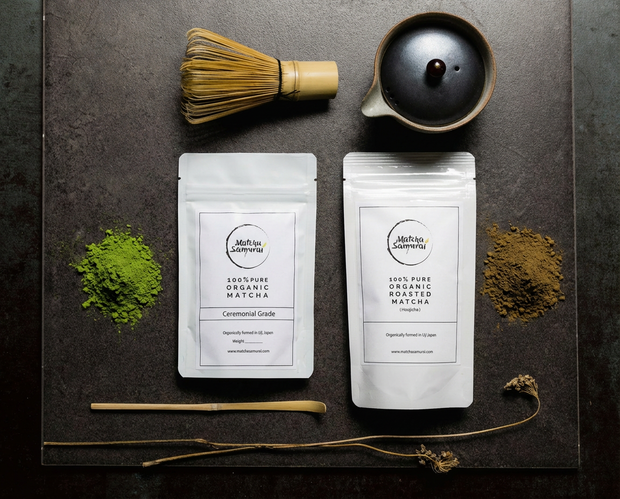
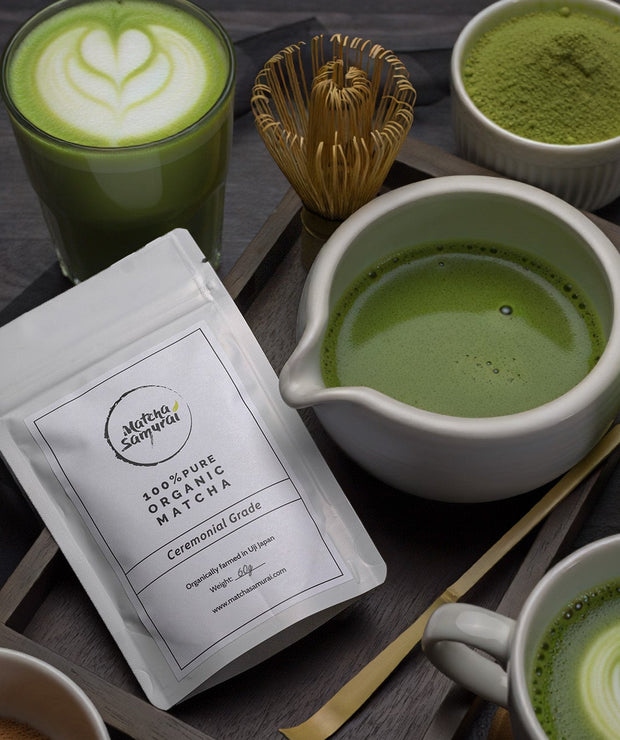
Usucha, or thin tea, is what most people picture when they think of a bowl of matcha. With a light layer of foam and a smooth, balanced flavour, it is the ideal style for beginners and can be prepared in just a few minutes.
Koicha, or thick tea, offers a completely different matcha experience. Prepared with less water and a higher concentration of matcha, it has a thicker texture and deeper flavour. Traditionally made with high-quality ceremonial matcha, it delivers a smooth and naturally sweet taste.
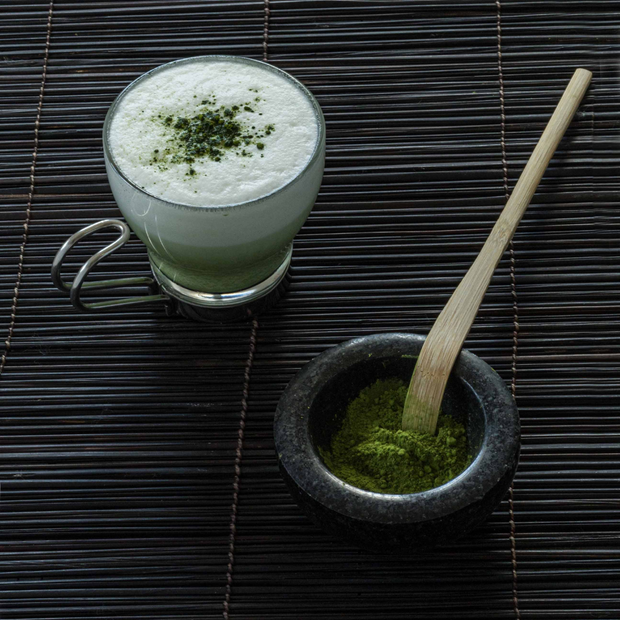
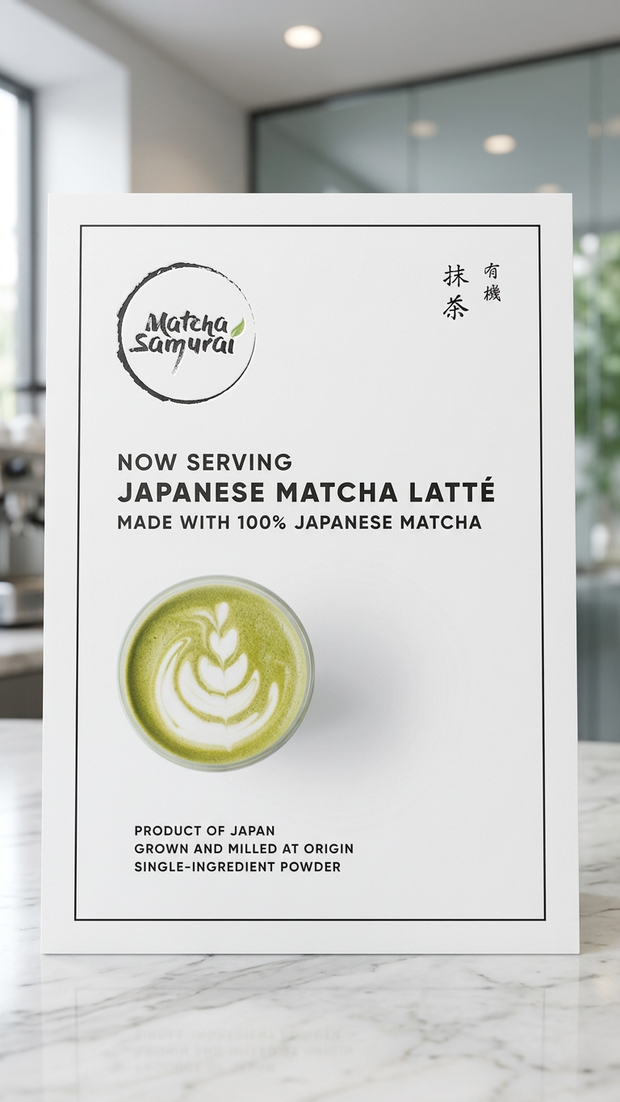
A matcha latte starts with the same preparation principles as traditional matcha but uses a more concentrated matcha base before adding milk. Creating a smooth paste first helps prevent clumping and ensures a creamy, well-balanced drink.
Two to three minutes once your kettle is at temperature, and about five the first few times. There is nothing in the method that needs practice except the whisking motion, which takes two or three bowls to get comfortable with.
The standard bowl, usucha, runs 2 grams of matcha to 60ml of water. That's the ratio from the method above, and honestly, it's the one worth learning first before you touch anything else.
Koicha is different. Double the matcha to 4 grams, halve the water to 30ml, and you end up with a thicker drink. It only works with good matcha, though; cheaper grades turn unpleasant fast at that concentration.
Lattes often made with all purpose ceremonial grade are simpler to make than people think. Same 2 grams, but whisk it first with just 30 to 40ml of water, then top with milk. That little bit of concentration is what stops the milk from drowning out the flavour altogether.
And if it's tasting too strong for you? Add water. Don't cut the powder back to fix it; drop below 2 grams, and your foam just won't hold.
The traditional method
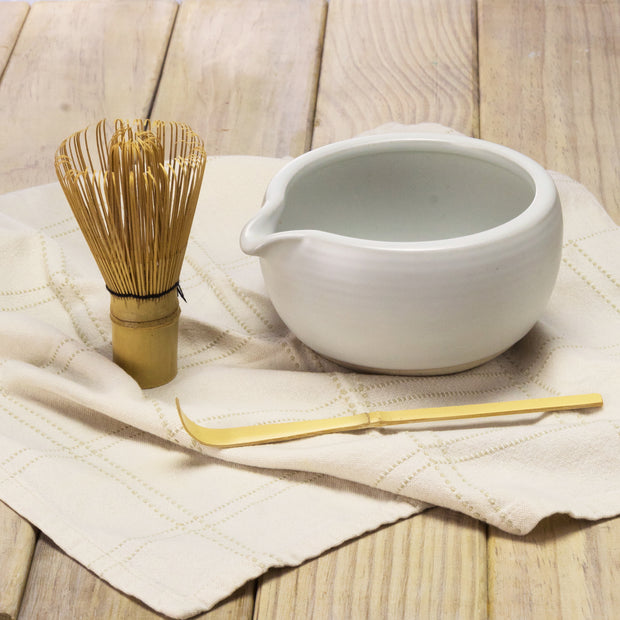
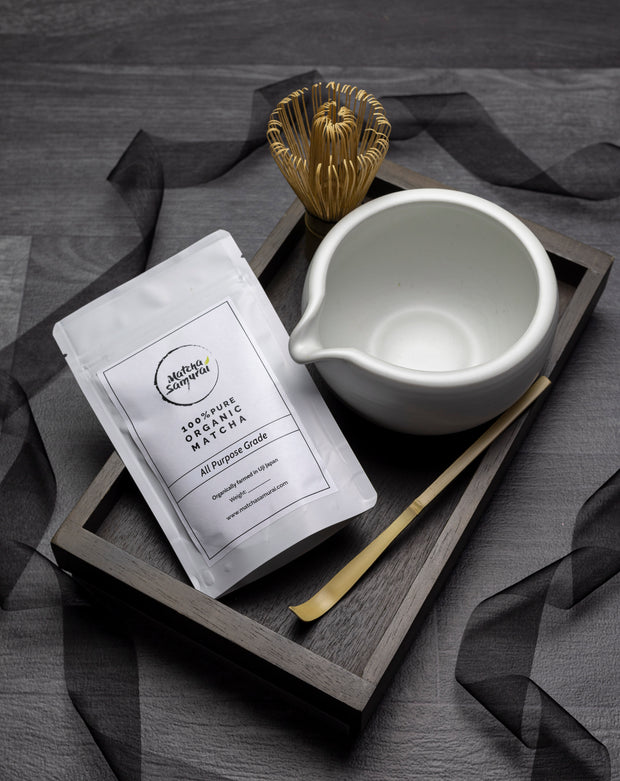
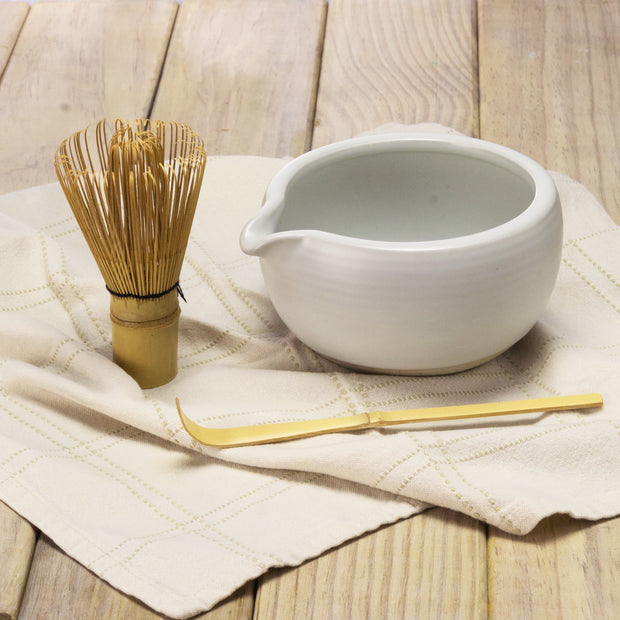
Before anything else, sit the bamboo tines in warm water for 20 to 60 seconds. That's it. It softens them so they bend instead of snapping under pressure. Skip this with a new whisk, and you'll spend the next five minutes fishing broken prongs out of your bowl.
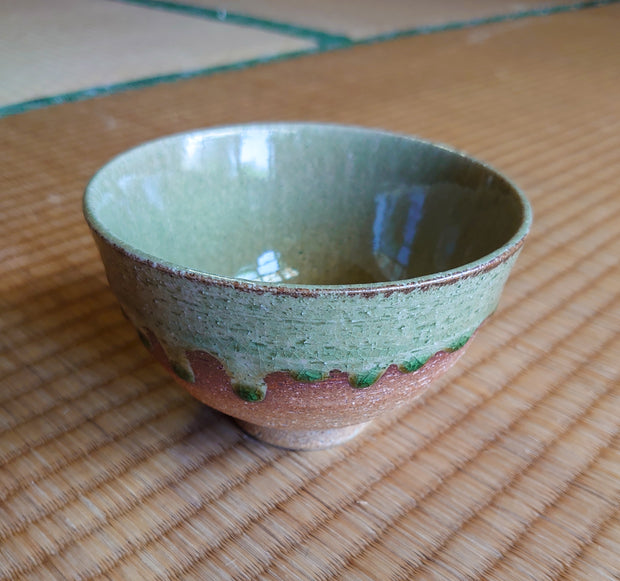
Splash in some hot water. Give it a swirl. Tip it out. Now dry the bowl properly, not just a quick wipe with your sleeve. Warmth matters here because it lets your matcha hold its temperature through whisking. Skip the drying, though, and you'll get clumps before you've even started.
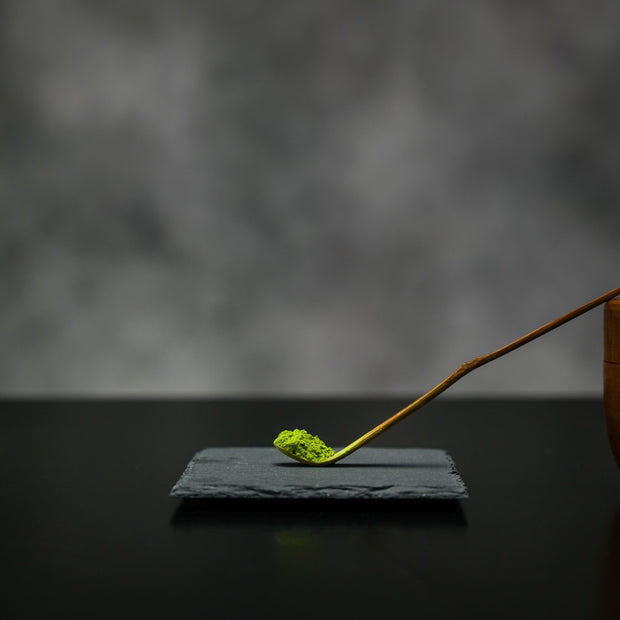
Push 2 grams through a fine mesh sifter into the bowl. Matcha's finer than flour, technically, but it packs down hard in the pack, so sifting restores it. If your matcha's ever turned out gritty or oddly bitter, nine times out of ten, this is why.
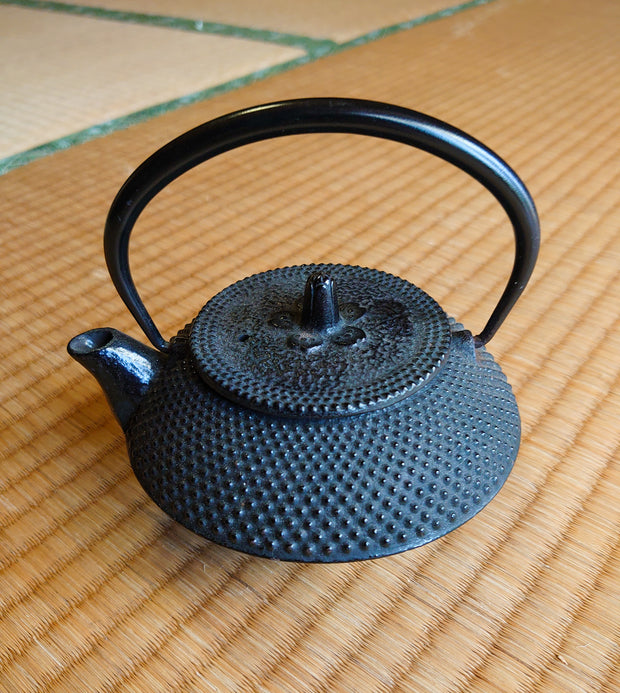
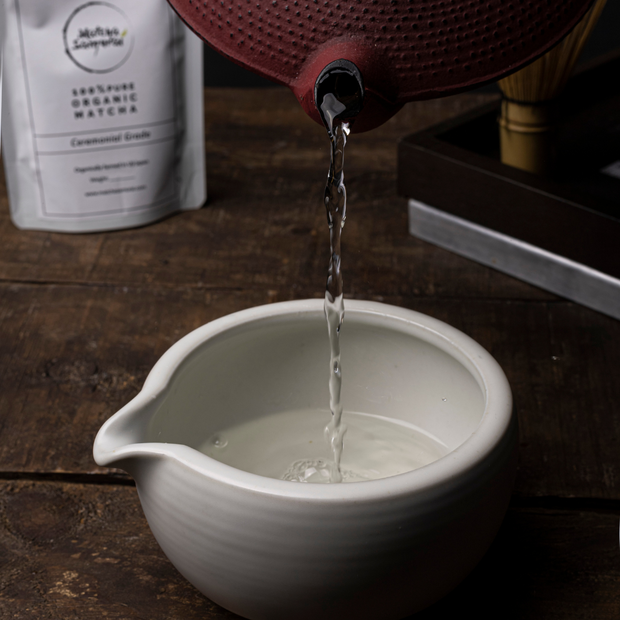
60ml, roughly 80˚C. Go hotter, and you'll scorch the leaf; no undoing that once it happens. Don't have a kettle with temperature settings? Boil it, then just let it sit two or three minutes before pouring.
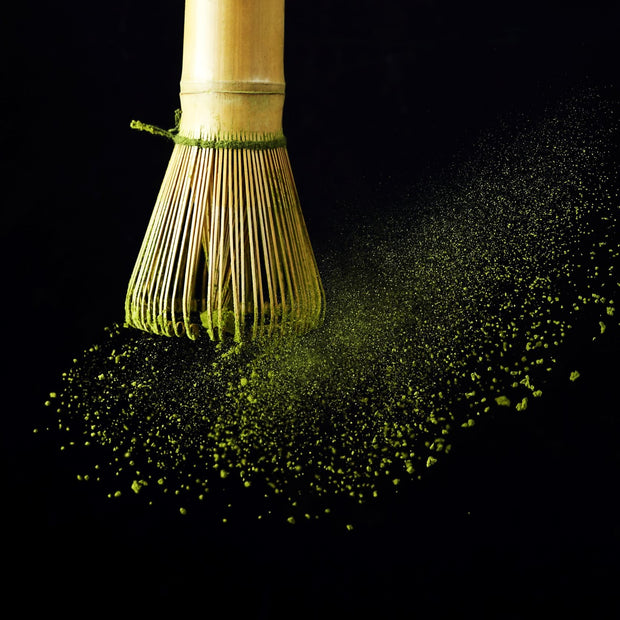
Hold the bowl steady with one hand. Whisk fast, back and forth in an M or W shape, for about 30 to 45 seconds, keeping the whisk just off the bottom. Circles won't get you anywhere. They just push the powder to the edges instead of building any real foam.
You're after a fine, even layer of pale green foam, no big bubbles sitting on top. Lift the whisk straight out through the centre once it's there. And don't wait around; matcha starts settling within a couple of minutes, so this one's best enjoyed right away.
A matcha latte is just whisked matcha with milk added. One thing changes, though: you concentrate the matcha first. Skip that, and the milk drowns it out completely.
Sift 2 grams of all purpose ceremonial grade matcha into a bowl. Add 30 to 40ml of water at 80˚C. Whisk it into a smooth paste; a light foam should sit on top. Pour into your cup. Top with 150 to 200ml of steamed or warmed milk. Taste it first. Sweeten after, never before.
Same 2 grams. Whisk with 40ml of water, still at 80˚C, even though this drink ends up over ice. Matcha won't dissolve properly in anything cold, no matter how long you stir it. Fill a glass with ice, pour in 200ml of cold milk, then pour the matcha over the top. That's your layered look sorted.
Oat milk's the usual pick here. There's something about its natural sweetness that just works with matcha's grassy notes, plus it foams well. Dairy's fine too, if that's more your thing. Going oat or almond? Grab the barista versions. They foam noticeably better than the standard ones. For sweetening, honey or maple syrup beats plain sugar with matcha, hands down. A teaspoon's usually all you need.
Common problems
Clumping happens if you didn’t sift the matcha powder or if your bowl was not fully dry. Sifting is not optional with matcha the way it is with cocoa: the powder is fine enough to compact in the pack, and those lumps do not break up under a whisk.
Usually, the water was too hot. Anything near boiling scorches the leaf. It can also be the grade; for example, premium culinary grade is made for cooking and can taste sharper on its own, or simply too much powder for the water.
Almost always the whisking motion. Circles do not aerate, so whisk briskly in an M shape with the whisk just clear of the bottom. A whisk with too few tines, or a wide flat mug instead of a bowl, will also fight you.
Matcha oxidises quickly once opened and dulls within weeks; the older it gets, the more its taste can go off. Make sure you get a good quality matcha powder. Keep it sealed, cold and away from light, and use an opened pack within a month or two.
Choosing your matcha
For whisked matcha
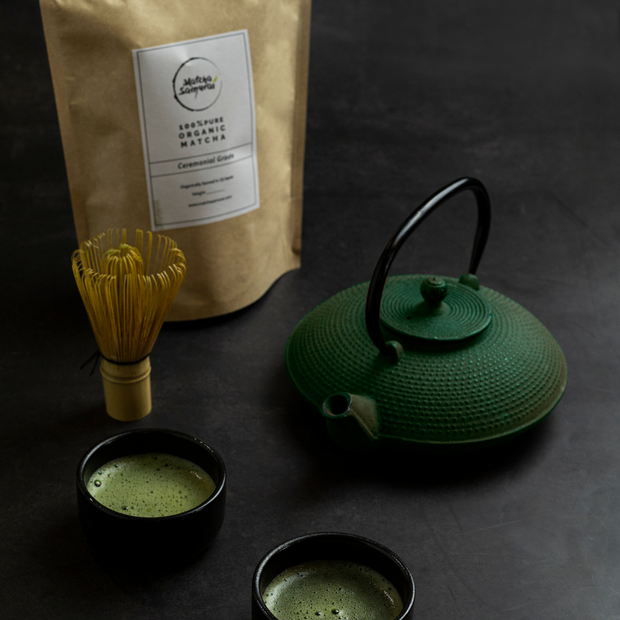
For whisked matcha, you want organic ceremonial grade. Youngest leaves, first harvest, stone-ground. Smooth enough to drink with nothing added, which is exactly what the method above assumes.
For recipes
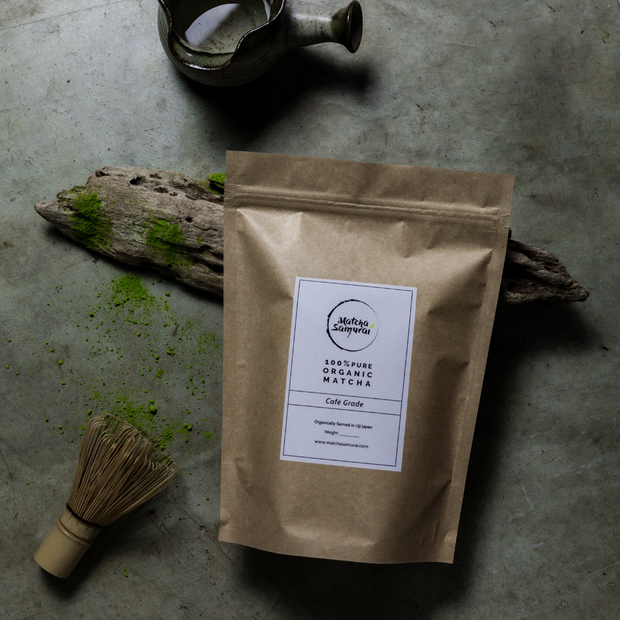
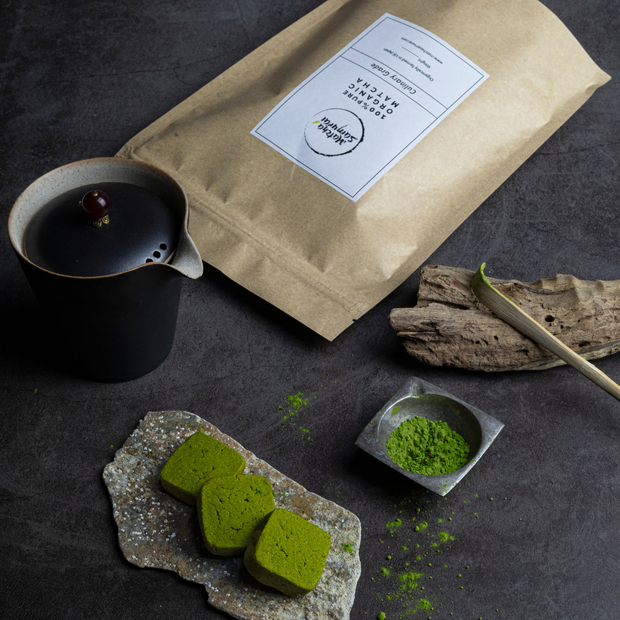
Culinary grade sits at the other end. It's built for cooking and baking, where the matcha's up against sugar, butter, flour. On its own, it's sharper, more astringent. Not a flaw exactly, just not what you want sitting in a bowl by itself.
For milk drinks
Lattes are more forgiving. Either grade works here, though a non-organic all-purpose ceremonial grade sits in the sensible middle, clean enough through milk, without ceremonial pricing for something you're mixing anyway.
Ceremonial-grade matcha sourced directly from Japan's finest tea
gardens. One ingredient. No fillers.
$114.00 NZD
$118.00 NZD
Price on enquiry
$45.00 NZD
$249.00 NZD
$39.00 NZD
$2.00 NZD
$124.00 NZD
$127.27 NZD
$158.80 NZD
$63.00 NZD
$99.00 NZD
Price on enquiry
$9.90 NZD
$179.00 NZD
$49.90 NZD
$54.00 NZD
$60.00 NZD
$95.00 NZD
$241.00 NZD
$34.50 NZD
$35.00 NZD
$54.00 NZD
$255.00 NZD
$199.00 NZD
$34.50 NZD
$199.00 NZD
$34.50 NZD
Ceremonial-grade matcha sourced directly from Japan's finest tea gardens. One ingredient. No fillers.
A small electric milk frother does the trick. Honestly, even a jar with a tight lid works in a pinch; just shake it hard. Just steer clear of forks and spoons. Matcha needs air worked into it, not a stir, and neither one's going to break up the powder or give you any real foam.
Around 80˚C, no hotter. Boiling water scorches the leaf, and you'll taste it bitter, and there's no undoing that once it's happened. Got a regular kettle with no temperature settings? Boil it, then just wait two or three minutes before you pour.
Just 2 grams does it, roughly a teaspoon or two, bamboo scoops, stirred into 60ml of water for a standard bowl. Want a latte instead? Same 2 grams, just cut the water back before the milk goes in.
Hot, every time, even when the drink's going over ice. Whisk it at around 80˚C regardless. Matcha and cold water just don't get along; you'll be left with powder sitting on top and grit down at the bottom.
About 60 to 70mg per 2-gram serving, roughly what you'd get from a shot of espresso. There's L-theanine in the mix as well, though, and that's what takes the edge off, so the caffeine hits slower and steadier, without the jitters.